 Skip to content

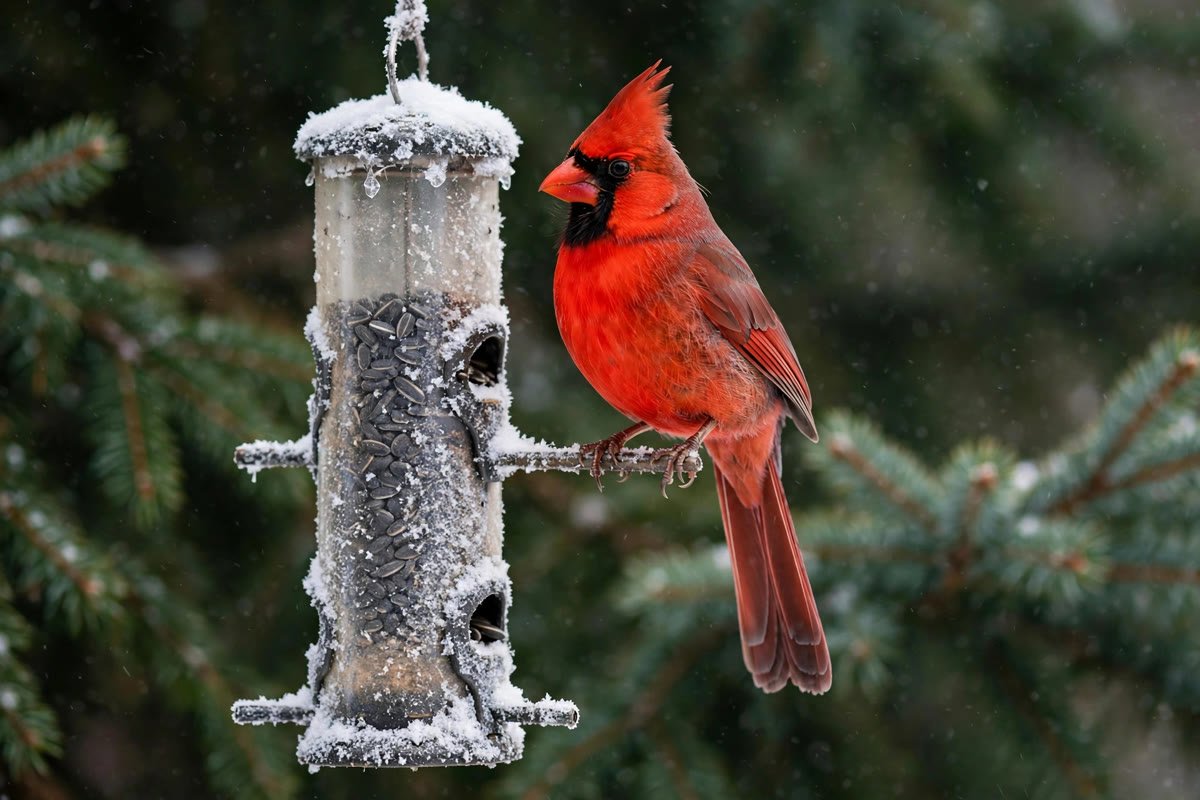
Winter puts backyard birds through the hardest months of their year. Days shrink, temperatures plunge, and the insects, seeds, and berries that fed flocks all summer vanish under snow and ice. Learning how to help birds in winter is one of the simplest ways to turn your yard into a refuge exactly when birds need one most.
You do not need expensive gear or a big garden to make a difference. A full feeder, a patch of open water, and a few sheltered corners can carry local birds through the coldest nights.
This guide walks through nine practical actions that actually work, grounded in guidance from the Cornell Lab of Ornithology, Audubon chapters, and wildlife agencies. You will also find the mistakes to avoid and answers to the questions readers ask every October. Start now, while fall is still mild, and your yard will be ready before the first hard freeze.
Why Winter Is the Hardest Season for Backyard Birds
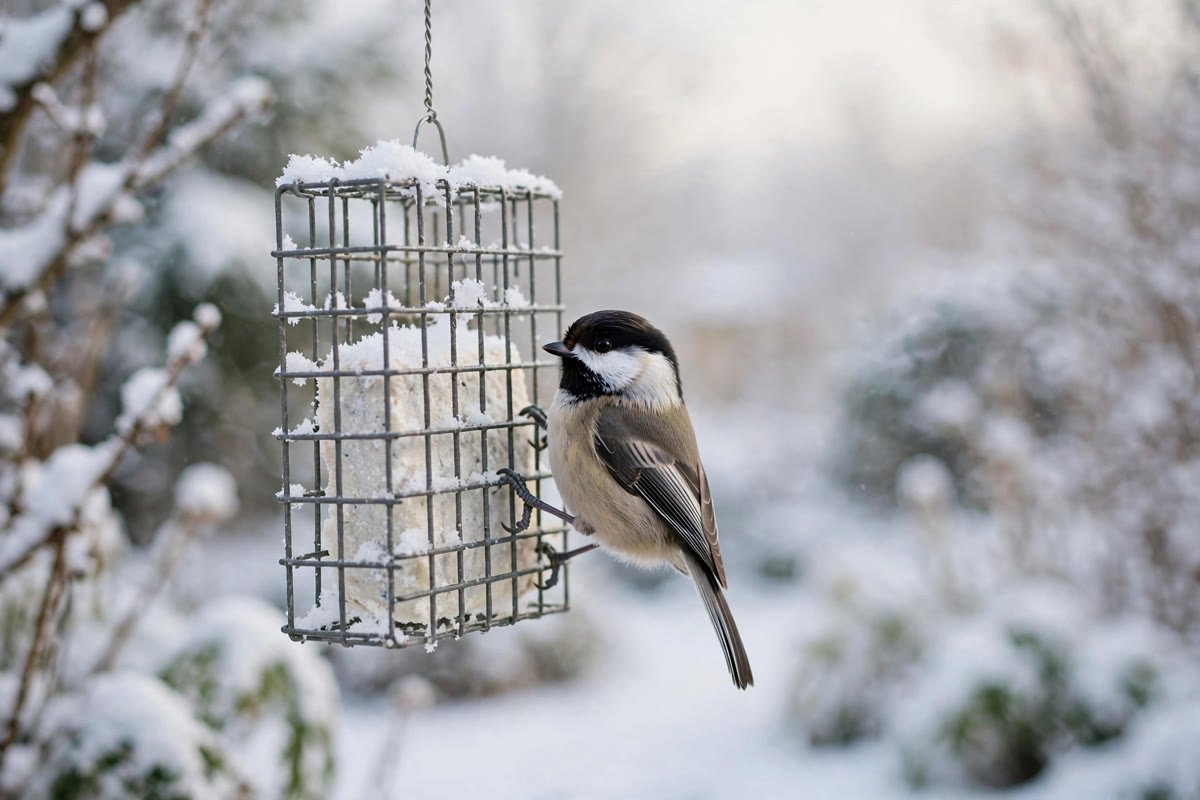
A small bird faces a brutal math problem every winter day. Shorter days mean fewer hours to find food, while freezing temperatures force its body to burn far more calories just to stay warm. A chickadee weighing less than half an ounce must eat almost constantly during daylight to build the fat reserves that will fuel it through a long, cold night.
Research on black-capped chickadees in Alaska shows how extreme this gets. The birds can pack on roughly 10 percent of their body weight in fat during a single day of feeding, then burn nearly all of it overnight while shivering to stay warm, as reported by The Allegheny Front. Some researchers describe finding almost no fat left on a chickadee by early morning. Every calorie counts, and one missed day of feeding before a cold snap can be the difference between survival and starvation.
Birds fight back with remarkable adaptations. They fluff their feathers to trap a thick layer of insulating air, which is why birds puff up their feathers on frosty mornings. Many species also use a heat-exchange system in their legs that keeps warmth in the body core instead of losing it through bare feet, a mechanism described by the Smithsonian Migratory Bird Center. Chickadees and nuthatches may even pile together inside tree cavities or nest boxes, sharing body heat through communal roosting.
Still, adaptations only go so far when snow buries natural food and every puddle and stream freezes solid. That is where your backyard comes in. The Cornell Lab of Ornithology frames winter survival around three essentials: food, water, and cover. The nine actions below deliver all three.
How to Help Birds in Winter: 9 Backyard Actions That Work
Each of these actions stands on its own, so start with whichever fits your yard and budget. Together, they give birds reliable calories, liquid water, and safe shelter through the coldest months.
1. Offer High-Fat Foods Like Suet and Peanuts
Winter is the season for calorie-dense food. Suet, raw or roasted unsalted peanuts, and black-oil sunflower seeds pack the fat and protein that small birds convert into overnight body heat. Cornell Cooperative Extension names suet and peanut butter among the best high-energy winter offerings, noting that suet especially attracts woodpeckers, chickadees, and nuthatches.
Hang a wire suet cage where cats cannot reach it, and keep a peanut feeder stocked for jays and titmice. Black-oil sunflower seed works as the universal staple because its thin shell and high fat content suit the widest range of species. If you want the full breakdown of seasonal menus, see our complete winter feeding guide and our dedicated suet feeding guide.
Put fresh food out early in the morning. Birds wake up running on empty after burning their fat reserves all night, and the first feeding of the day is the most important one they will get.
2. Keep Water Unfrozen and Available
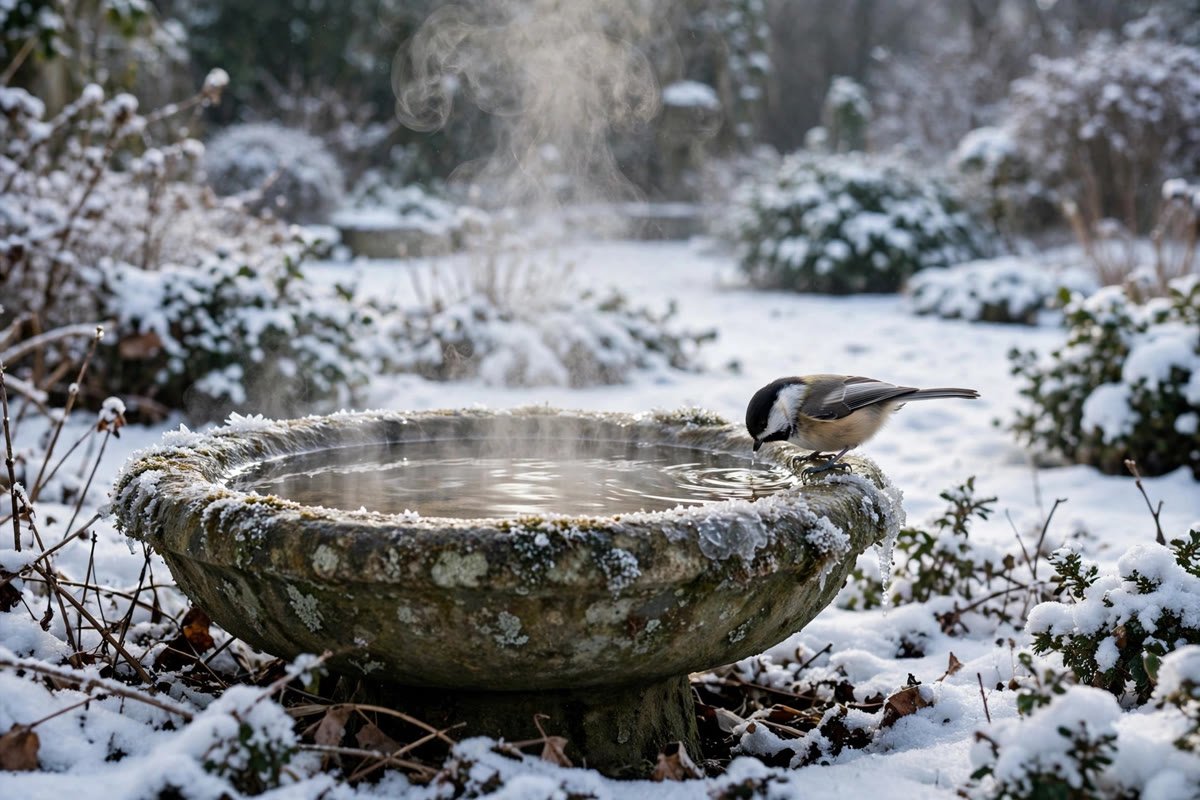
Food gets most of the attention, but liquid water may be the scarcest resource in a frozen yard. Birds can eat snow in an emergency, yet melting it inside their bodies costs precious heat and calories they cannot spare. A reliable water source can draw even more species than a feeder, because every bird needs to drink, including the ones that ignore seeds.
The simplest fix is a heated birdbath or a submersible de-icer made for birdbaths, which keeps water just above freezing without heating it like a hot tub. The Cornell Lab notes that these devices are small, relatively inexpensive to run, and can stay up year-round. On a tight budget, set out a heavy-duty plant saucer each morning, break the ice off, and refill it with fresh water. Place the bath in a sunny spot and add a few stones so birds have secure footing at the edge.
Change the water frequently and scrub the basin every week or two. Dirty water spreads disease as easily as a dirty feeder. For placement, cleaning, and heater tips, see our bird bath guide.
3. Put Up Roost Boxes, Not Just Nest Boxes
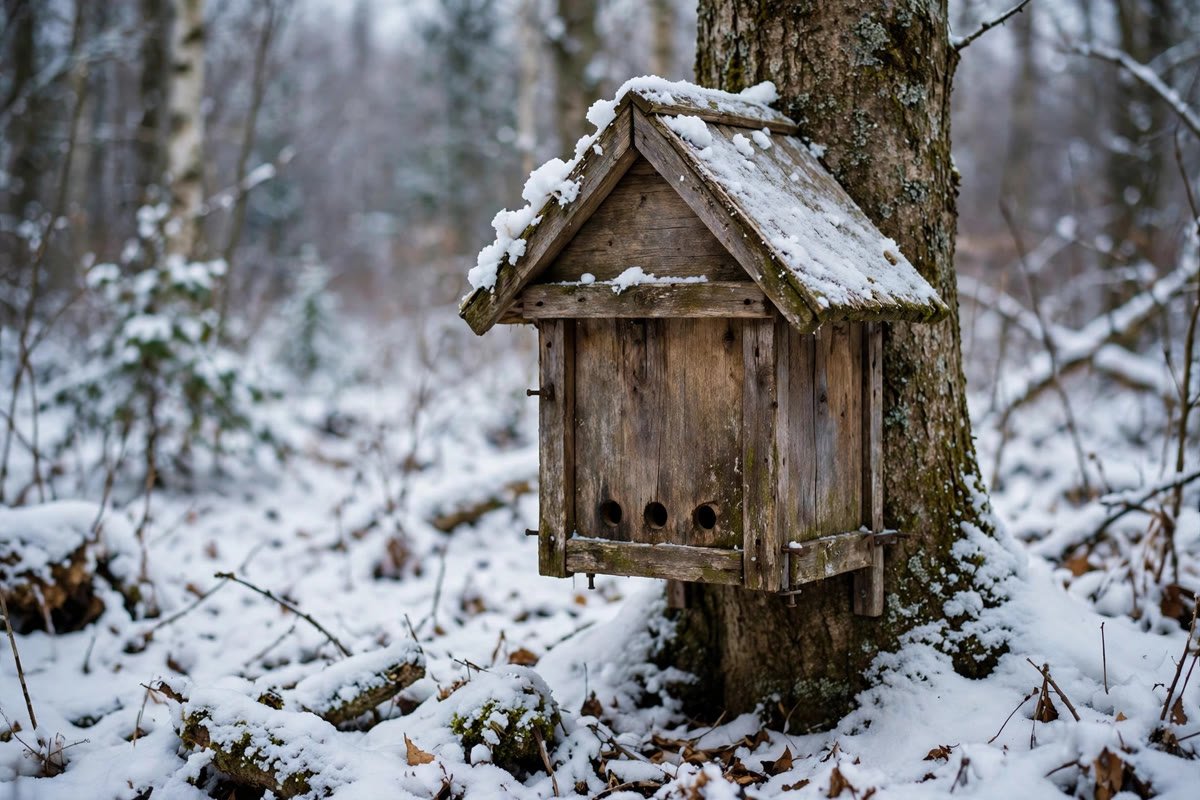
Nest boxes are built for spring breeding, with a single round hole near the top and an open interior. Roost boxes are built for winter survival. Their entrance holes sit near the bottom so rising warm air stays trapped inside, and they often include interior perches so several birds can huddle together through the night. That design difference matters on a subzero evening.
You do not need to buy a new box to help. The Cornell Lab suggests modifying an existing nest box into a temporary roost box, for example by adding perches and plugging drafts. The Valley Forge Audubon Society recommends cleaning out nest boxes in fall with a mild bleach solution, since chickadees, titmice, and downy woodpeckers will shelter in empty boxes on brutal nights. Face the entrance away from prevailing winds and mount the box high enough that cats cannot reach it.
4. Plant or Preserve Evergreen Cover
Evergreens are winter hotels. Their dense needles block wind, trap slightly warmer air, and give birds a place to vanish from hawks and owls in seconds. A row of native evergreens on the windward side of your yard can noticeably calm the microclimate around your feeders.
If you cannot plant new trees this fall, protect the cover you already have. Leave native shrubs untrimmed, and let berry-producing plants like winterberry holly, viburnum, and serviceberry hold their fruit into the cold months. The U.S. Fish & Wildlife Service points out that native berries feed birds late into winter while the plants themselves supply year-round shelter.
After the holidays, stand your old Christmas tree upright in a sheltered corner instead of curbing it. Birds will use its branches as instant cover within hours.
5. Leave Brush Piles and Leaf Litter
A tidy yard is a hungry yard in winter. A loose pile of branches in a back corner creates a maze of hiding spots where sparrows, wrens, and thrashers can dodge predators and escape wind. Build it with larger limbs at the bottom and finer twigs on top, and leave gaps big enough for birds but awkward for cats.
Leaf litter deserves the same mercy. Fallen leaves shelter the insects, spiders, and other invertebrates that insect-eating birds hunt all winter, and ground feeders like towhees and juncos scratch through litter for seeds. The U.S. Fish & Wildlife Service specifically recommends leaving leaf litter in place because birds eat the many bugs living in the leaves. Rake only where you must, such as paths and driveways, and leave the beds alone until spring.
6. Keep Feeders Full and Clean
Once birds learn your yard is a reliable food source, they build it into their daily route. Consistency matters more than variety in deep winter, so refill feeders before they sit empty for long and stock up before predicted storms, when foraging turns hardest. A feeder that goes empty during a cold snap teaches birds to spend their limited energy elsewhere.
Reliability has to come with hygiene. Damp, moldy seed can sicken birds, so toss out any seed that looks wet or clumped and store your supply in a sealed, waterproof container.
Scrub feeders with hot soapy water, rinse, and let them dry fully before refilling. For the full routine, follow our guide on how to clean bird feeders, and take feeders down for a week or two if you ever notice sick or lethargic birds visiting them. Clean everything thoroughly and wait until the visitors look healthy again before refilling.
7. Provide Grit and Calcium
Birds do not have teeth, so seed-eating species rely on tiny stones in their gizzards to grind food. Ground-feeding birds usually pick up natural grit on their own, but snow cover can bury those sources for weeks. A small dish of fine poultry grit or coarse sand gives them a backup.
Crushed eggshells pull double duty as soluble grit and a calcium source. Rinse the shells, bake them at low heat until dry and brittle to kill bacteria, then crush them into small flakes and offer them in a separate dish. Birds take only what they need, and the calcium can support feather and bone health through the demanding winter months. Keep the dish sheltered from rain so the contents stay dry and clean.
8. Space Feeders to Reduce Disease
Crowded feeders turn into disease hotspots when birds feed beak to beak for weeks on end. Winter brings higher transmission risk because cold, hungry birds congregate in large numbers and spend more time at each feeder. Spreading your stations across the yard lowers contact between individuals and gives subordinate birds a chance to eat without fighting.
Use several smaller feeders instead of one giant one, and mix feeder styles so species separate naturally: tube feeders for finches, suet cages for clingers, and a platform or ground tray for juncos and doves. Rake up fallen seed hulls under each station every week or two, since rotting hulls harbor mold and bacteria. Move a feeder to a fresh spot if the ground beneath it stays soggy or fouled.
9. Delay Garden Cleanup Until Spring
Those brown, withered flower stalks are a winter pantry. Coneflowers, sunflowers, black-eyed Susans, and native grasses hold seeds that finches, chickadees, and sparrows harvest for months. Hollow stems also shelter overwintering insects and provide nesting material when spring returns.
Resist the urge to cut everything back in October. Leave seed heads standing, keep ornamental grasses intact, and postpone major pruning until you see new growth in spring. You will feed more birds with a “messy” garden than with a manicured one, and the spring cleanup gives you a perfect excuse to inspect which plants the birds stripped bare. Those are the ones to plant more of next year.
What Not to Do in Winter
A few common mistakes can undo all your good work. The biggest is relying on bread as a winter staple. Plain bread fills a bird up with empty calories and almost no fat or protein, which is the opposite of what a freezing bird needs. Our article on whether birds can eat bread explains the details, but the short version is simple: bread is an occasional scrap, never a diet.
Peanut butter deserves a careful mention. It is an excellent high-fat food, but serve it as a thin smear on bark or mixed into seed, never as a thick glob. Large sticky lumps can cling to a small bird’s beak or feathers and cause real distress.
Never disturb a roost at night. Flushing birds from a sheltered spot forces them to burn their precious fat reserves finding a new one in the dark, which can be fatal on the coldest nights. Keep outdoor activity near roost boxes and dense evergreens to a minimum after dusk.
Skip the heat lamp. Artificial heat sources create fire hazards, can overheat birds that cannot move away, and may disrupt the natural cold-hardiness birds develop through the season. A well-placed roost box and wind-blocking evergreens keep birds safer than any heater.
Likewise, never add salt or antifreeze to bath water to stop freezing. Salt in drinking water can harm birds, so stick with a proper de-icer or a daily ice-breaking routine.
Frequently Asked Questions
Do birds need food or water more in winter?
They need both, but liquid water is often the harder of the two to find. Snow and ice lock up every natural source for weeks at a time, while at least some seeds and berries remain available. A heated birdbath or a daily-refilled saucer can attract species that never visit feeders, so if you can only add one new thing this winter, make it water.
Should I feed birds all winter once I start?
Aim for consistency from the first freeze through early spring, because birds build your feeders into their daily routine. That said, missing a day or two will not cause a crisis. Birds visit multiple feeding stations and wild food sources, so refill as soon as you can and keep the supply steady through storms and cold snaps.
How do birds keep from freezing overnight?
Birds combine several strategies. They fluff their feathers into a thick insulating layer, tuck their bills into back feathers, and stand on one leg to reduce heat loss. Some species huddle together in cavities or roost boxes to share warmth. Chickadees even lower their body temperature at night, entering a light torpor that saves energy while they burn the fat they stored during the day.
Will a heat lamp help birds in winter?
A heat lamp is not a good idea. It creates a fire risk, can overheat birds that roost too close, and may weaken the natural cold tolerance birds build up gradually. Roost boxes, evergreen cover, and brush piles provide safer shelter that works with a bird’s own insulation instead of against it.
When should I start winter feeding?
October is ideal in most of the United States. Setting feeders out before the first hard freeze lets local birds discover them while they are still exploring fall food sources. Keep feeders, water, and shelter in place through March or April, since late-winter storms can be the toughest stretch of all.
Can birds just eat snow instead of drinking water?
They can in an emergency, but it is costly. Melting snow inside the body drains heat and burns calories that a winter bird desperately needs for staying warm. Open water saves them that expense, which is why a simple de-icer or a daily ice-breaking habit makes such a big difference.
Conclusion
Figuring out how to help birds in winter comes down to meeting three basic needs: high-energy food, liquid water, and shelter from wind and cold. Suet and sunflower seeds fuel the overnight furnace. An unfrozen birdbath saves birds the costly work of melting snow. Roost boxes, evergreens, brush piles, and standing seed heads give birds somewhere safe to ride out the worst nights.
None of these actions requires special skill or a large budget. Start with one or two this weekend, add more as winter deepens, and watch how quickly your yard fills with life on the coldest mornings. The chickadees burning through their daily fat reserves, the cardinals fluffed against the wind, and the woodpeckers working your suet cage are all counting on backyards like yours. A little preparation now carries them through to spring.





[…] As a last resort on the coldest nights, you can bring a small basin indoors overnight and set it out fresh each morning. For more cold-weather strategies beyond water, see our guide on how to help birds in winter. […]